Big crowds are proportionate to the popularity of an event. They are sort of expected at exhibits of famous art, important baseball games, and Aaron Tippin concerts. There was quite a crowd at the Felton Remembers Parade and Covered Bridge Festival.
Smaller events draw much smaller but relatively significant
groups. It is always nice to see children celebrating birthday
parties in Felton Covered Bridge Park. Community Bridges (Mountain
Community Resources or MCR) still does play dates for children there
as well.
Our group is very unique. We get good turnout for our special
events too, if we plan ahead for them, and extend invitations.
Otherwise, for regularly scheduled events, such as lunch at Felton
Presbyterian Church on Tuesday, and lunch at Saint John’s on
Thursday, minimal attendance is an indication that more of us are
doing well, and are unable to attend because we are at work, or busy
with other responsibilities.
It is not as if we are an exclusive group that others want to be
members of. Although just about anyone can join, most do so only out
of necessity, but prefer to move onto better situations.
There were more of us in 2013 than there are now. Those who have
joined our group since then have been less numerous than those who
have found homes and employment. There are now fewer of us than there
have been in a very long time. In that sense, minimal membership is a
good thing.
It is unfortunate that this is not a common trend in most other
places. Some of the same social difficulties that are less prevalent
here than they had been are instead becoming more common elsewhere,
particularly in more substantial towns and big cities, such as San
Jose, Watsonville and Monterey. Are we doing something differently
here?
One would think that moving camp would be easier than relocating from one home to another. In some ways, it is. Obviously, there is less to move. Almost everything in a well outfitted camp can fit into a few large boxes or trash bags. This particular site involved a bit more than that, since it stored extra bedding and clothing for others. Nonetheless, we moved it all with only two partial loads of a tiny station wagon. It was reasonably efficient.
The difficulty is removing the baggage discretely from a location that is not easily accessible, and then relocating it even more discretely to another site that is even less accessible because the trails are not yet cleared. Moving out is of course easier than moving in, not only because the trail is somewhat cleared, but also because discretion is not quite as important. By the time someone complains, and deputies respond, we will be gone.
Yes, there are those who complain while we are moving out.
Deputies don’t mind. They are accustomed to it. If they have time,
and they know we must park on the side of a busy road, they might
even come out to park behind the station wagon with their red and
blue lights on for safety. In the past, they have helped carry the
baggage to get us off the side of the road more efficiently!
Seriously! We have some AWESOME deputies here!
It is more important to be discreet while moving into the new
site. We typically wait a few hours before doing so, just because
stalking haters like to pursue the station wagon after leaving the
abandoned site, in order to identify the location of the new site.
Even if the new site is on private property with the permission of
the property owner, haters want to know about it, and often trespass
onto such properties just for the sake of stalking.
Anyway, we are sort of done for now. We just need to sort through
the baggage so that some of it can be put into storage, and only what
is necessary can be taken to the new site.
This will be very brief. I must be on my way to collect the belongings of one of our members who is homeless in Felton, put some of it in storage, and relocate some to a new campsite.
This will also lack pictures. I will not show the new site, and
will not be going to the former site. I will be collecting what I
must nearby, but only as near as I can get the car.
It is always nice when someone who had been homeless moves into a
new home. So much of the formerly homeless lifestyle gets discarded
and replaced with what goes into a domestic lifestyle.
Moving camp is nothing like that. It involves leaving one bad
situation only to move into another. The rush to vacate interferes
with the ability to sort and discard what will not be needed at the
new site. Everything must be moved collectively, and then sorted
later. Organization is very difficult without a home. Bedding is the
biggest part of it. Although lightweight, it is bulky. It is not easy
to be discrete while schlepping trash bags full of bedding.
Moving into a new site without being pursued by stalking haters is
another difficulty. At least they are not as bad as they used to be.
Those who merely have issue with homelessness seem to have realized
that such behavior does not make homeless people any less homeless.
Only those who enjoy the sadistic sport of it continue, even if it
involves trespassing onto property that they do not want the homeless
trespassing onto.
As unpleasant as homelessness is, the homeless situation here has
improved significantly in the past few years. Because more homeless
people have found homes than formerly homed people have become
homeless, there are fewer homeless people in the Community. The
Community is just as generous as it has always been, with the same
abundance of resources.
Well, it is nearly 2:30, so I really must be on my way.
It is a standard component of the culture of modern hate groups that target the homeless, as well as every hate group that has tormented society throughout history. I could make a meme of it – ‘Hypocrisy’.
The first hateful comment ever on my gardening blog reminded me of an essay about hypocrisy that was posted on, and then promptly deleted from, the Facebook page of Felton League more than a year ago. It was deleted because someone found it to be objectionable, even after it had been edited for appropriateness of content at least twice. The hateful comment can be found here, as the seventh of the original reader comments (not including replies).
There is not much original material to the essay. It is merely a
collection of seventeen reviews from Yelp, which were written by the
same yelper, preceded by the excerpt that is posted below. Only the
portion that is posted below was written by the author, not by the
yelper who posted the reviews. This portion simply explains the
significance of the seventeen reviews on Yelp. It is difficult to
follow since it was so severely edited here.
The seventeen reviews from Yelp are not included here because they
are not as important as what the original essay is about, which is
clarified in the last paragraph.
If, after reading the excerpt of the essay below, you are
wondering what was so objectionable about the essay, you are not
alone. I should explain that the single person who found it to be
objectionable was the same who wrote the reviews on Yelp. Yes, they
are on Yelp, for everyone to see, but apparently not to be quoted as
seventeen examples of hypocrisy.
This is the excerpt:
This is how haters roll.
ALL SEVENTEEN of these reviews of marijuana
dispensaries are from the same Yelp account of (name
deleted)! Yeah, that’s a lot of marijuana dispensaries for
one person! There could be more that she didn’t leave reviews for.
Four were updated, and one was updated twice. Review #8 says,
“(deleted)” Review
#14 says, “(deleted)”
(name deleted) goes
through a lot of marijuana! By the way, (name
deleted) is (age
deleted) now, so so was in her early teens in the early
1980s when (she said)
she started going to (business
name deleted) that she left review #16 for. She turned
(age deleted) in 1980.
This isn’t the first long list of reviews for
marijuana dispensaries from (name
deleted). She did it on Facebook too, but deleted the
reviews when asked about her marijuana and alcohol use. Yeah, she
also wrote reviews for some of the bars and clubs that she
frequented, and talked jokingly about getting stumbling drunk before
driving home. Yeah, so not something to joke about. Anyway, those
reviews are gone now, and the Yelp reviews pasted here will probably
get deleted too now that she knows that we know who she is. We’ve
known since she left a unique review for one of our friends some
years back. She went by (name
deleted) for a while, and then (name
deleted). FFE keeps a fat file on her.
So, why is this important to us? (name
deleted) publicly accuses all homeless people of constantly
smoking marijuana, and it’s one of many reasons that she and her few
hater friends want the homeless exterminated. HYPOCRISY!
Incidentally, the Yelper who left these seventeen
reviews for marijuana dispensaries supposedly left reviews for four
more marijuna dispensaries just since this essay was posted about a
year ago, although I did not bother to confirm this report. Seventeen
is already way too many for someone who accuses everyone within a
targeted group of excessive use of marijuana.
It is THE place to be, and a few of us will be there in just two hours.
Lunch is served at noon every Tuesday at Felton Presbyterian
Church.
Everyone is welcome. There is always more than enough to go
around, and some of us take leftovers for later. It is usually
nothing fancy, but sometimes it is, and it is always appreciated.
Some might think of it as a weekly luncheon for the homeless who
lack adequate food or the ability to cook decently. Some of us
receive clothing, toiletries, bedding or even tarps or tents that are
donated by parishioners. Some get referrals for employment or
housing. However, only a few who attend are homeless. Many attend
because so many of our friends are there. It is a great place for
social networking and catching up on local news.
It really is the sort of Community that a Church should be, even
though only a few of us who attend luncheon are parishioners of
Felton Presbyterian Church. The generosity and compassion are
astounding. I would mention a few more examples, but do not want to
promote exploitation of the realistically limited resources.
Luncheon at Saint John’s Catholic Church is around noon every
Thursday, just after Food Distribution at Community Bridges (or
Mountain Community Resources [MCR]), but that is a topic for another
time.
Well, as I mentioned above, lunch will be in about two hours. Some
of us get there as much an hour early for coffee and pastries. I like
to get to town about an hour prior to that, shortly after ten or so,
just to catch up on the goings on, and to see if anyone is in need of
anything that we can track down. Therefore, I should be on my way.
Good Day!
Back in about 2013, it was much more socially acceptable to
discriminate against the homeless, anyone who looked homeless, or
just about anyone who could be implicated as an affiliate of the
homeless, whether or not such implication was accurate. Anyone
getting off a bus with a backpack might have learned how quickly
sheriff deputies responded to ‘multiple reports’ of someone
suspicious. How contrary to our formerly idyllic culture!
The animosity of a mere few for the homeless and their affiliates
is what justified the removal of all the barbecues and one of the
picnic tables from Felton Covered Bridge Park, and is why barbecuing
is now illegal there. Those who do not drink alcohol were often
accused of inebriation or worse. There were false accusations that
some homeless lived in tents in the riparian zone of the San Lorenzo
River within Felton Covered Bridge Park.
2013 was a long time ago. Not many remember the major hostility of
a minor group at that time. To the contrary, we remember the
remarkable and consistent generosity and civility of our Community.
After all, it is our Community that has always provided so much of
whatever we need, and for many of us, provided employment and homes.
The Community is why homelessness is much less of a problem than it
was six years ago in 2013.
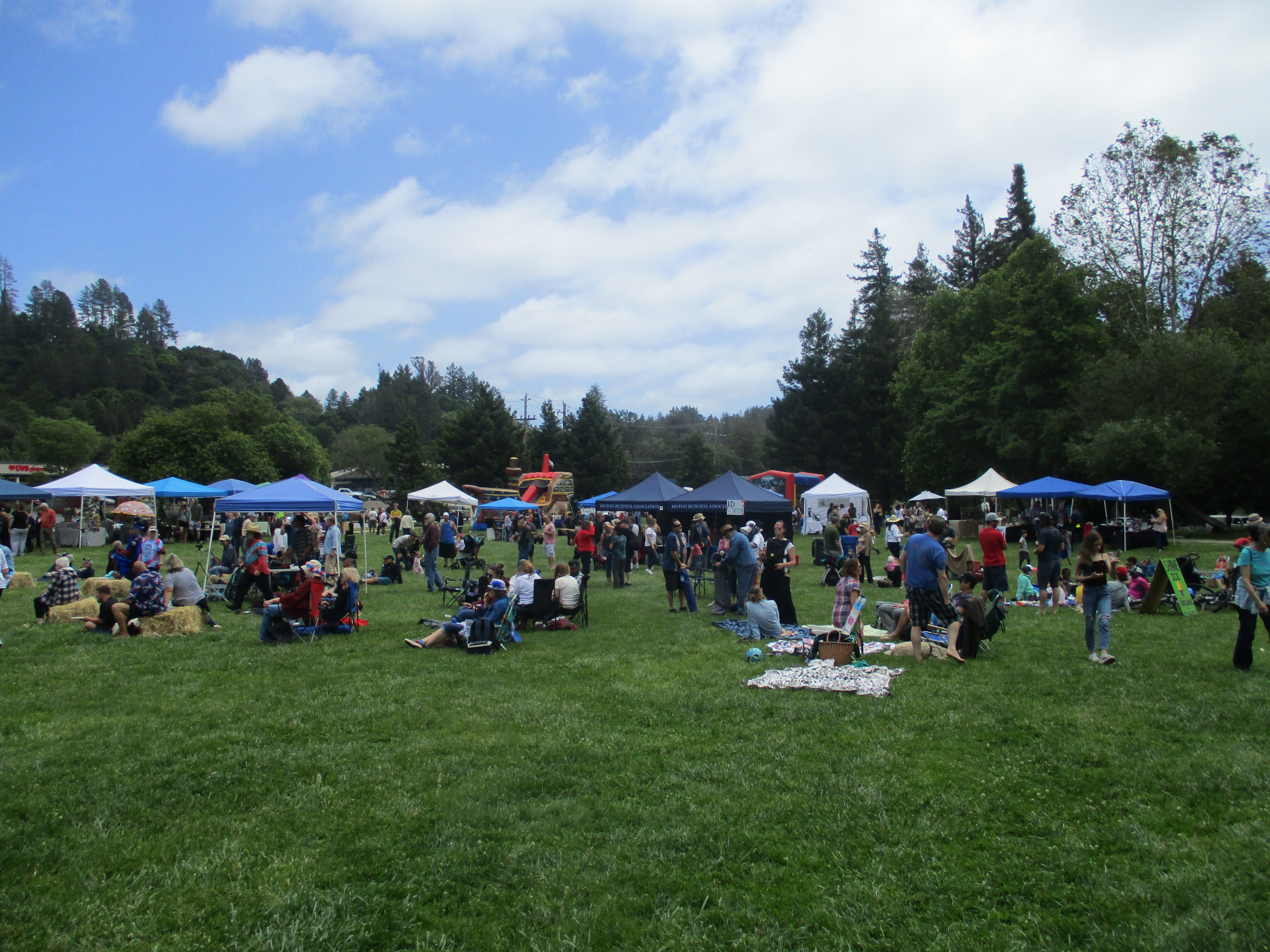
Tomorrow will be Memorial Day. Yesterday was the annual Memorial Day celebration; Felton Remembers Parade and Covered Bridge Festival. Not many remember what should be memorialize on Memorial Day, but it was an excellent celebration nonetheless. Beer was sold from that navy blue tent amongst all those other tents. Freshly cooked and grilled food was sold next to the parking lot, out of view to the left of this picture. Beer, tents, grilled food and irony.
This article from the Press Banner is the best ever about this particular topic, which was an issue that concerned Felton League back in the summer of 2015. The main text is pasted below, but without the excellent picture or the interesting comments. The chronology of the comments can be difficult to follow, but each comment is outfitted with the date and time at which it was posted. Of course, some of the comments were deleted.
July 30, 2015 – Press Banner – Suellene Petersen
It would have been nice if a table had been available for the food, but Jonney Hughes explained that the maintenance people from the Santa Cruz County Department of Parks had removed the one that used to be in that spot.
“They
said they were going to fix the table and bring it back, but we could
not see that anything was wrong with it,” explained Hughes.
The
picnic was spread on a cement area under the trees and the hosts sat in
canvas folding chairs around a spread of sandwiches, salads, fruit and
desserts. “Those of us who can, pool our money and food so we can share
with others,” said Hughes.
Asked
what it was like to be homeless, Teresa Fitzpatrick said “I am not
homeless and not all of us are. Some of us have jobs, but don’t earn
much –– not enough for rent and food,” said Fitzpatrick. “We all have
different stories. Some of us are retired and get social security but
it’s not enough for everything so we get stuck in this wilderness,” she
said.
“We are people who have raised
families. We are good people who have fallen on hard times. It happens,”
said Fitzpatrick. “The picnic table that used to be here was like a
social center where we met to eat, sew, and visit,” said Hughes. She
said “we have even held memorial services here for friends who have
passed away.”
The New Life Church in
Santa Cruz provides some help to these folks. Richard Franconi
distributes food to people that has been donated by the New Life Church.
He walks around the park and hands out burritos. He said “I have been
doing this for 15 years. I used to give about 30 and now it is only
about 10.” He gives the food to hungry people even if they are not
homeless.
The
people at the picnic were all wearing neat, clean clothes. Lise
Lafontaine said that she was one of the homeless. She is a licensed hair
stylist who cannot find work. “I cut hair for these people for free,”
she said as she gestured at the circled of people. “I never thought that
I would become homeless because I am a professional haircutter,” said
Lafontaine. “Sometimes we get to shower at the Presbyterian Church,” she
said. Otherwise, they have no access to water in order to stay clean.
They
told their stories and when it was time for lunch, the circle of people
bowed their heads while Hughes led the group in a thank you prayer.
Lunch was good. It would have been nicer if the picnic table had been
there.
The good news is that Alan
Galran from Santa Cruz County Department of Parks said that the table
will be replaced within two weeks.
I am truly very sorry that I have not been able to write for this blog since establishing it a few days ago. I really thought that there would be more time before visitors started arriving. I feel badly that there has already been some degree of traffic here, but nothing interesting to read. For now, I will post another article from another blog on May 19. The other blog happens to be a gardening blog, which is why this says more about the trees than about the campsite below them. This is the article below:
There happen to be quite a few campgrounds in the region, with one
about a quarter of a mile upstream from where this picture was taken,
and another less than three miles past that. Both are primarily used
by school age children. The vast redwood forests with creeks flowing
through are ideal for such campgrounds.
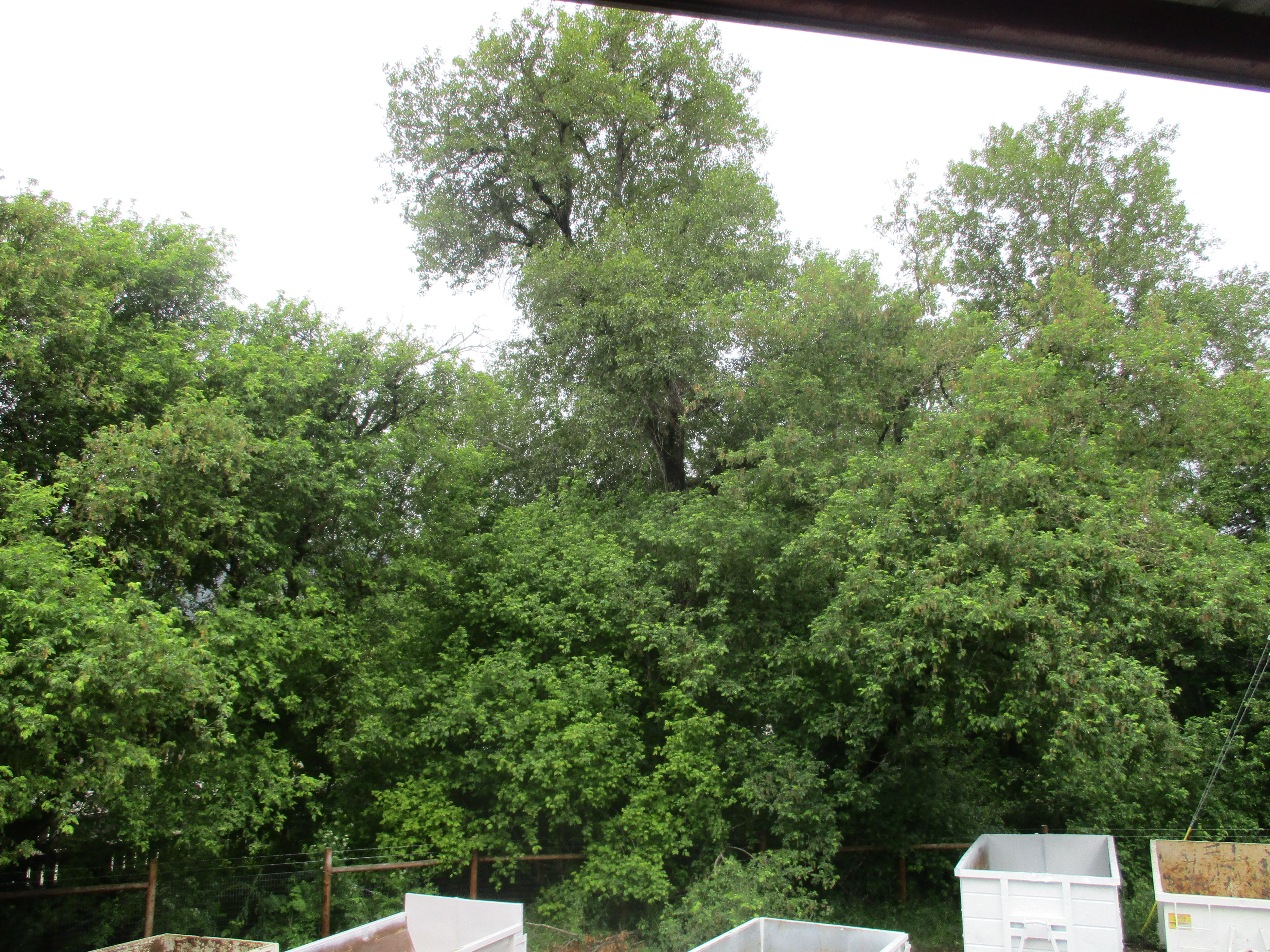
This is a campground too. I know it does not look like it. It is
located between a creek and an industrial building, the eave of which
is visible in the top right corner of the picture. The herd of
dumpsters that is barely visible at the bottom of the picture might
include a dozen dumpsters at at time. (I tried to get both the eave
and the dumpsters in one picture.) There really are two rows of
barbed wire on top of that fence behind the dumpsters.
Nonetheless, it is a campground. You see, individuals who lack
adequate shelter occasionally camp on a flat spot next to the creek,
right below the big cottonwood tree in the middle of the picture. It
is not a big space, so can only accommodate one or maybe two people
at a time. No one has been there for quite a while. Yet, on rainy
days like today, it is saddening to imagine someone camping there, so
close to inaccessible buildings.
Because the area is outside of landscaped areas, I do nothing to
make it any more comfortable as a campground. I only cut away the
limbs that fall onto the fence.
The trees are a mix of mostly box elders, with a few cottonwoods
and willows, and even fewer alders, with one deteriorating old
bigleaf maple. They concern me. Box elders, cottonwoods and willows
are innately unstable. All but bigleaf maple are innately
structurally deficient. Although bigleaf maple should innately be
both stable and structurally sound, the particular specimen in this
situation is in the process of rotting and collapsing.
I really do not mind if limbs or entire trees fall into the
forested riparian zone. If they fall outward, they do not damage the
dumpsters. Only the fence needs to be repaired. What worries me are
the potential residents of the campground. Part of my work is to
inspect trees for health, stability and structural integrity, and if
necessary, prescribe arboricultural procedures to make them safe. I
just can not do that here.
UPDATE: Just after this article posted at midnight, a very big box
elder off to the right of those in the picture fell with a loud but
quick crash. It was probably the biggest and most deteriorated of the
box elders in this area, and pulled completely out of the ground to
reveal that the roots were so decayed, that none stayed attached to
the stump. Seriously, you should see the pictures when they get
posted next Sunday.
Apologies for not explaining what this blog is about earlier. I did not expect visitors so immediately after posting the first article. It will be several days before I am able to develop the basics of the blog, and write something for the ‘ABOUT’ section. Until then, I will post this article below, which is actually from my gardening blog. It briefly explains what I will be doing here.
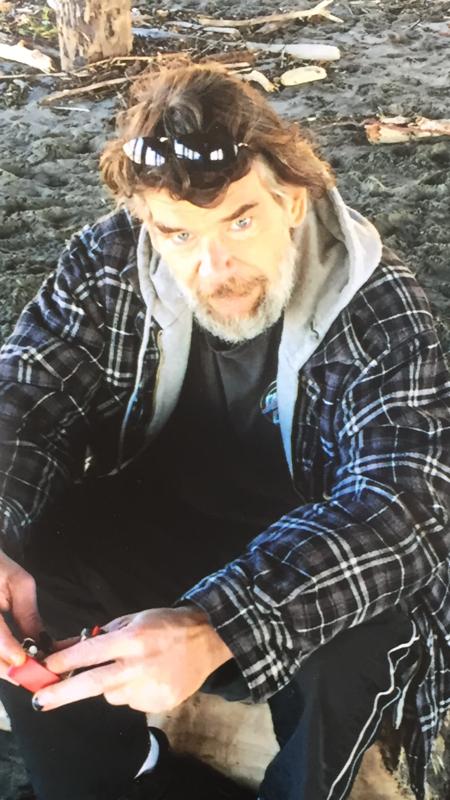
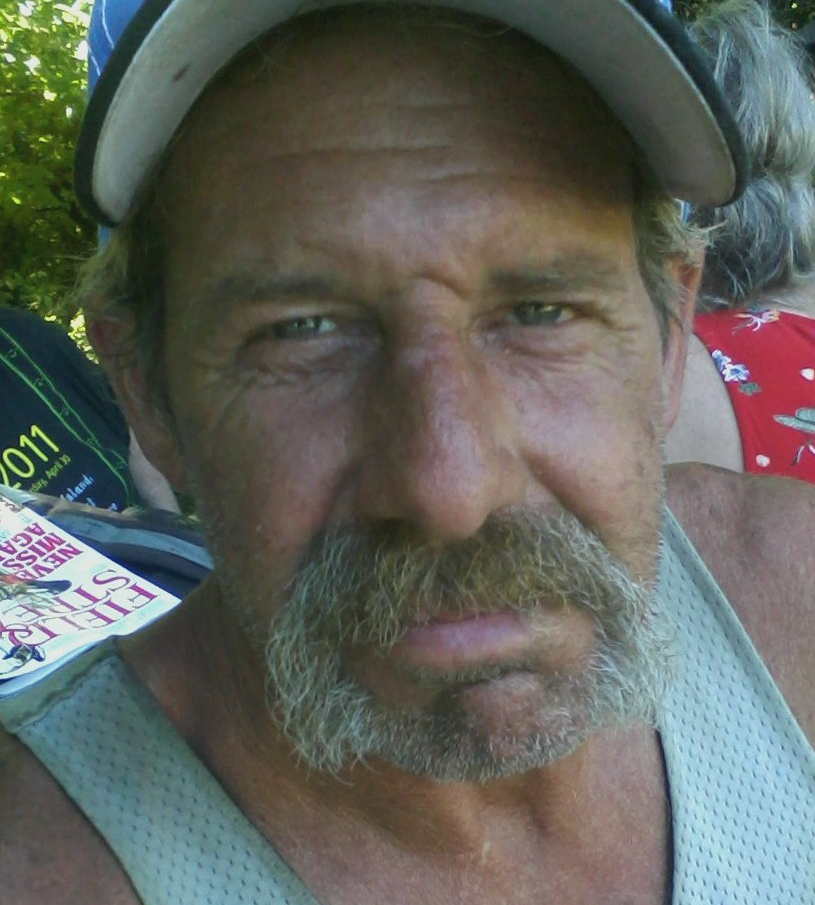
When I started posting my weekly gardening articles here, along with a few other odds and ends, I reserved the right to occasionally post articles or information that is not directly related to horticulture. I do not do it often, but I will do it now, in order to briefly explain another blog that I started today. Felton League It will feature articles and insight about the distinguished small group of displaced or socially marginalized people and their friends in Felton in California. In other words, it will be about our homeless Community. In about 2013, at a time when the homeless were more openly persecuted and assaulted, and evenly violently attacked, Felton League began as an informational forum on Facebook. We had been discouraged by the portrayal of the homeless in other so-called ‘community’ groups. Disparaging pictures, often contrived, were shared openly for the amusement of haters. This is common on the pages of our local law enforcement agencies. Well, that seemed like a good idea. We started sharing pictures of those taking pictures of us, and describing how they stalked us for the sake of taking such pictures. They did not like that, and accused us of stalking, harassment, and all sorts of nonsense. They were also much more careful about how they stalked us. In fact, the stalking subsided so much shortly after the establishment of Felton League, that the page was almost deleted. Instead, it remained as a Community forum for topics that were of interest to our segment of the Community. It was designed to appeal to less than one percent of the populace, most of whom do not use Facebook, but gained quite a following. There were nearly a hundred followers, but less than a dozen homeless. That seemed rather odd, especially since a local hate group that specializes in the derision of the homeless, and claiming to represent ‘everyone’ in town, had only about three dozen followers when an associate checked in on them about a month ago. It became obvious that others beyond our Community appreciate the insight. It is now time to expand Felton League. I hope that this blog makes it more available to a broader audience. I will not post daily. Nor will I discuss certain local events and news that are not directly related to our distinguished small group. As unpleasant as homelessness is, I hope that readers find Felton League to be insightful and perhaps, in some ways, encouraging. The three men in the pictures above and below are three old friends and members of our Community who have passed away since the establishment of Felton League, and are three of the reasons why I continue to write.
Fake environmentalism is a HUGE topic, so for now, will be limited
to fake environmentalism as justification for the eviction of
homeless encampments.
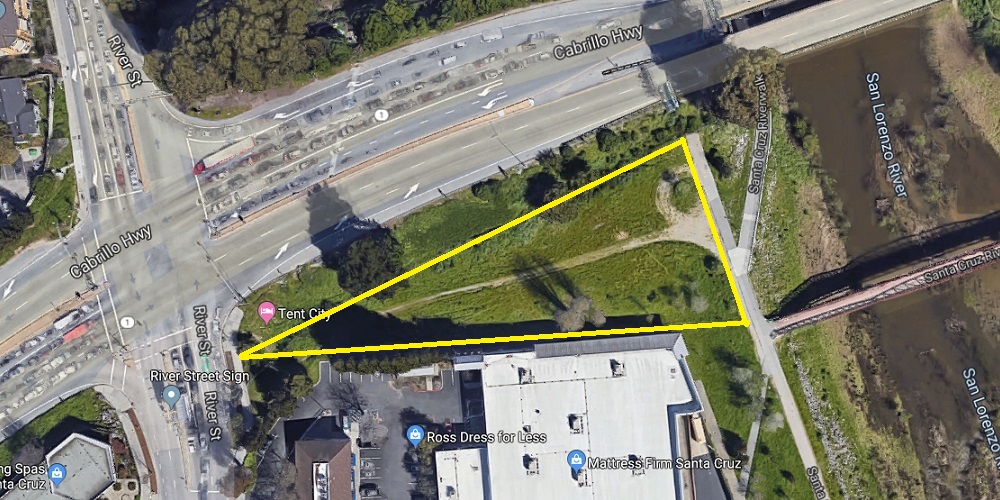
The yellow triangle in the picture above was the site of the
Hero’s Camp, which was more commonly known as Ross Camp, and located
behind Ross Dress For Less in Gateway Plaza in Santa Cruz. It is gone
now. This satellite image was taken by Google Maps prior to the
development of the Camp. I did not get pictures of the camp while
inhabited, but you have likely seen enough other camps in the news to
imagine what it looked like.
It really was as big as it looks, and really did exhibit all the
problems that you hear about in the news, although not to such an
exaggerated degree. Not everyone there used syringes to inject
illicit narcotics. Not everyone there was an alcoholic. Not everyone
was violent, from somewhere else, or a criminal. This is not about
such issues anyway. It is about how the two hundred or so unhoused
people who lived here affected the environment.
Was there trash? Of course there was. Was it more than what two
hundred people who live in homes generate? No. Houseless people do
not generate as much trash as the housed, simply because they lack
resources to purchase the commodities from which so much trash is
generated. The houseless certainly do not waste as much as the
housed. Their trash just happens to be more visible for outsiders who
do not know any better to see.
Furthermore, what is so typically described and perceived as trash
is actually the belongings of those who live in such camps. Without
closets, cabinets or furniture, our belongings would look about the
same, except much more voluminous. When we take just some of the
belongings that we don’t want or need and put them out in front of
our homes, it is a garage sale, and likely amounts to much more than
individual homeless people own.
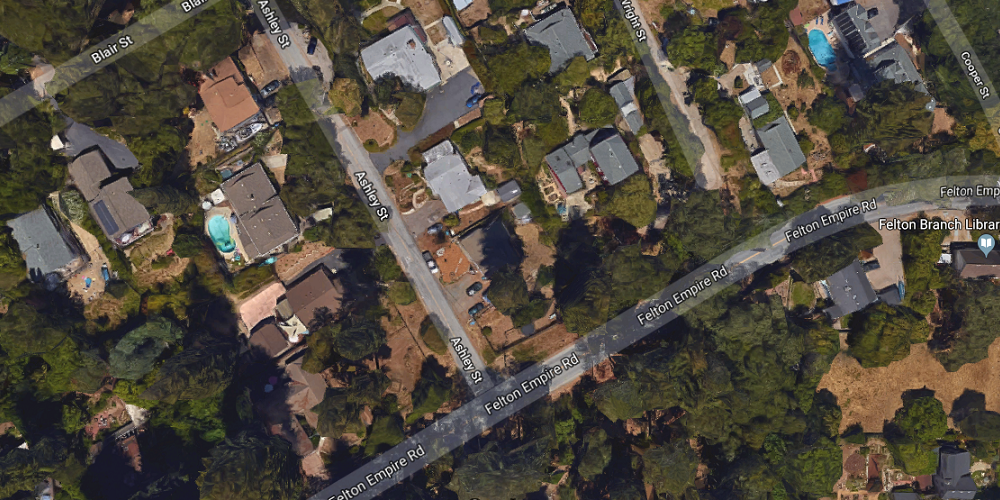
The satellite image from Google Maps below shows the neighborhood
where my grandparents lived in Felton, less than seven miles north of
where the picture above was taken. Their old home is right in the
middle of the picture. There were not so many other homes there when
they arrived, just as World War II was ending. They lived a
relatively modest lifestyle, on a small suburban parcel. They were
not concerned about the environment.
Why should they have been? Even now, the people who live in homes
here can generate as much trash as they want to, and no one will
complain about it. They can fill their homes with their belongings,
and put them neatly away in closets, cabinets and drawers. There are
alcoholics in this neighborhood, as well as a few who are addicted to
illicit narcotics. Some are criminals. Some are violent. Few are
native. Again, this is off the main topic.
None of that is visible in this satellite image anyway. What it
shows instead is how the lifestyles of those who live in homes are
more detrimental to the environment than the lifestyles of those who
lack homes. This picture is the same scale as the picture above, so
you can see that only a few homes would fit into an area comparable
to that in which about two hundred unhoused people lived. Only a few
people live in each of these few homes.
What that means is that two hundred people like those who lived at
the Hero’s Camp live dispersed over a much larger area, on land from
which trees and vegetation needed to be removed. They all live in
homes that are made of wood derived from trees that grew in forests.
These homes are furnished with synthetic plaster, carpet, paint,
glass, vinyl, metals and all sorts of materials that needed to be
quarried, processed or manufactured.
It doesn’t end there. These homes consume energy for heating,
lighting and whatever else that gas and electricity are used for.
Cars driven by those who live in homes are also constructed from raw
materials, and then need fuel to function. Water is consumed as if it
were not a very limited resource. Much of it gets mixed with soaps
and detergents before going back into the environment. Chlorine
volatilizes from chlorinated swimming pools.
Then there are the landscapes and gardens, the parts of domestic lifestyles that we actually believe to be beneficial to the environment. They contain exotic (non-native) plants that compete with native species, and interfere with natural ecological processes. Irrigation of the landscapes stimulates growth of redwoods, and accelerates decay of oaks. Soil amendments, fertilizers and some of the pesticides change the chemistry of the soil and ground water.
Just compare these two pictures. As bad as the mess at Hero’s Camp
was, the two hundred people who lived there were less detrimental to
the environment and the local ecosystem than those who live in just a
few of the homes visible in the picture below. Those who claim to be
concerned about the environment should be more concerned about the
ecologically detrimental lifestyles of those who live in homes than
those who lack homes.
(Incidentally, the title was changed slightly from the original post [in another blog] to conform to the meme of ‘Hypocrisy’.)


 Felton League